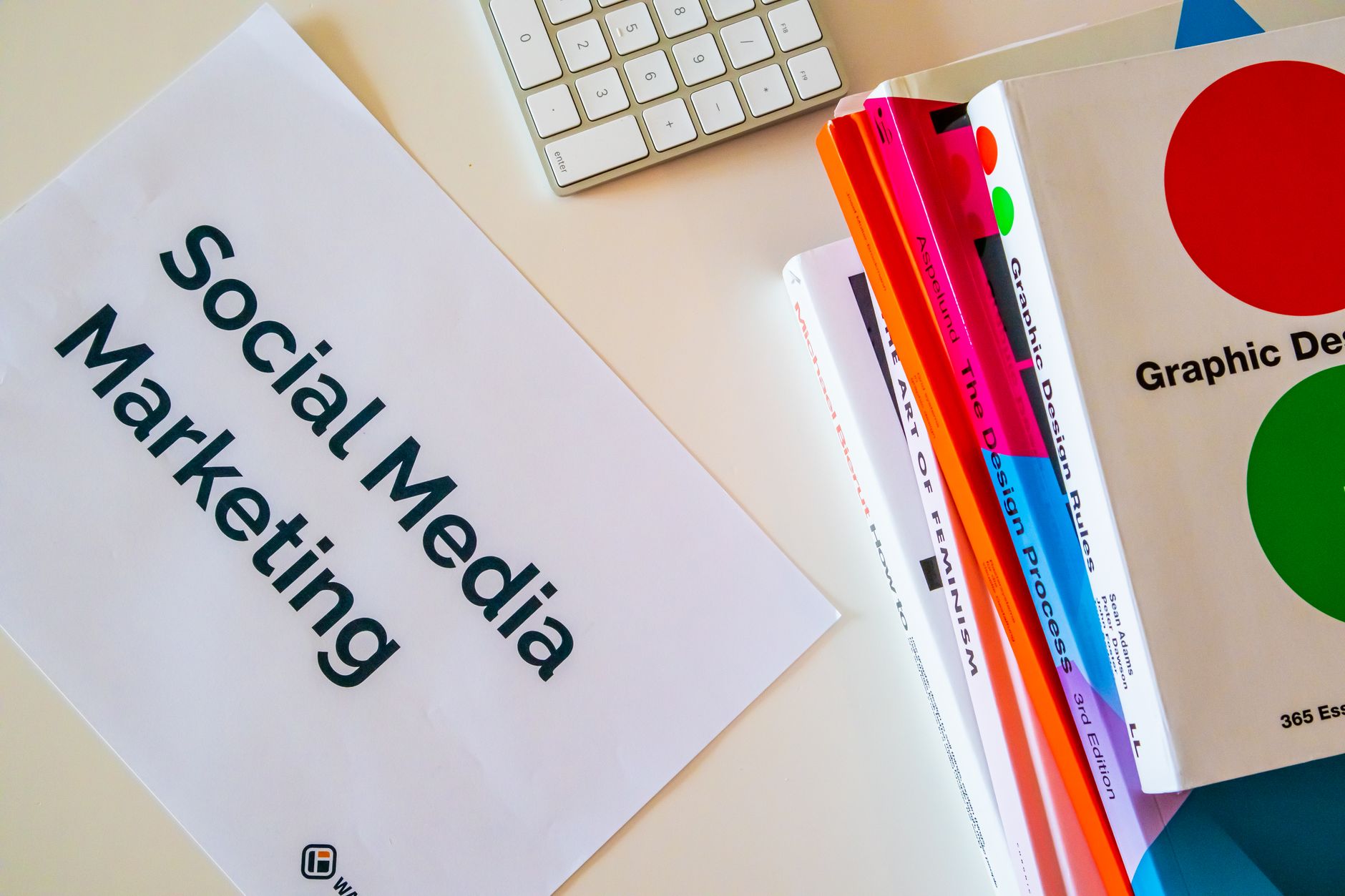
A social media strategy for business is not something you build by copying what a competitor posted last Tuesday. It is something you build around what your business actually needs to achieve, what your audience genuinely responds to, and what you can sustain without burning out your team or your budget. Most businesses are not doing this. They are posting reactively, measuring the wrong things, and wondering why nothing converts.
Why does social media fail to deliver results for most businesses?
The short answer is that most businesses treat social media as a broadcast channel rather than a strategic one. They push out content, track likes, and call it marketing. Likes are not leads. Reach is not revenue. A social media strategy for business has to be built around outcomes, not outputs.
There is also a tendency to try to be everywhere. Every new platform gets added to the list. The team gets stretched. Quality drops. Consistency disappears. The algorithm notices. Your audience notices. And slowly, the whole thing becomes a chore that nobody believes in.
The businesses that get consistent results from social media are not the ones posting the most. They are the ones who decided what they were trying to accomplish, chose the platforms that would actually help them accomplish it, and then committed to doing that well. Everything else is noise.
What should a social media strategy for business actually include?
This is where a lot of generic advice lets people down. You will find plenty of frameworks online, many of which are built around social media management tools trying to sell you a subscription. A real social media strategy for business is not a content calendar template. It covers the following ground properly.
Audience clarity before platform choice
The platform you use should follow from the audience you are trying to reach, not the other way around. If your customers are B2B professionals, LinkedIn deserves serious attention. If you are selling to consumers who research purchases visually, Instagram or Pinterest might be where your energy belongs. If your audience is substantially younger, you may need to look at TikTok seriously rather than dismissively. The point is that platform selection should be a strategic decision based on real data, not a guess or a preference.
Before you decide where to show up, you need to know who you are showing up for. Not just demographics but behaviour, intent, and what stage of the buying journey they are likely to be at when they encounter your content. This is foundational work, and skipping it is why so many social media efforts stall.
How do you set goals for social media that are actually measurable?
Vague goals produce vague results. “Grow our following” is not a goal. “Generate 40 qualified enquiries per month through LinkedIn outreach and content” is a goal. The difference matters because one of those statements tells you what to do and how to know if it is working. The other one tells you nothing.
A proper social media strategy for business maps social activity directly to business objectives. Are you trying to drive traffic to a specific service page? Generate leads for a sales team? Build awareness in a new geographic market? Retain existing customers through ongoing engagement? Each of those requires a different approach, different content, different metrics. Treating them as interchangeable is one of the most expensive mistakes a business can make.
If you are unsure how to connect social metrics to actual business performance, the post on how to measure marketing ROI without a finance degree covers the principles without the jargon.
Should you run paid social alongside organic content?
In most cases, yes. Organic reach on most major platforms has been declining for years. That is not a complaint, it is a fact, and your strategy needs to account for it. Paid social, done well, gives you the ability to reach precisely defined audiences with content you know they are likely to engage with. It also gives you data that can sharpen your organic content significantly.
The question is not whether to run paid social but how to allocate the budget sensibly. If you are already thinking about where to put your marketing spend more broadly, this piece on marketing budget planning is worth reading before you commit. And if you are trying to decide between paid social and paid search, the breakdown in Google Ads vs Facebook Ads covers the core trade-offs directly.
A social media strategy for business that relies entirely on organic content is possible, but it takes longer to build traction and requires a level of content consistency that many businesses simply cannot maintain without additional resource. Paid and organic working together is almost always more efficient than either working alone.
How often should you post, and does it actually matter?
Consistency matters more than frequency. An account that posts three times a week, every week, with content that is genuinely relevant and well-crafted will outperform an account that posts every day for a month and then goes silent. Algorithms reward consistency. More importantly, so do audiences. People follow accounts because they expect value. When that value stops arriving, they stop paying attention, even if they never formally unfollow.
There is no universal posting frequency that works for every business. What works is identifying a schedule you can sustain at a quality that actually represents your brand, and then holding to it. This sounds obvious. In practice, most businesses get here by working backwards from what is realistic rather than starting with what feels ambitious.
According to research published by the Chartered Institute of Marketing, brand consistency across channels, including social media, is a significant factor in building long-term customer trust. That applies to how often you show up as much as it applies to how you look or what you say.
What does good content actually look like in practice?
Good content on social media does one of a small number of things: it informs, it challenges an assumption, it demonstrates expertise, it builds trust, or it creates a reason to take the next step. Ideally it does more than one of those at once. What it should not do is exist purely to fill a slot in a content calendar. That kind of content is easy to produce and almost entirely useless.
For B2B businesses in particular, thought leadership content tends to perform better than promotional content at every stage of the funnel except the very bottom. If you are still leading with “here is what we sell” rather than “here is what we know,” you are leaving a lot of value on the table. For a more detailed look at this, the piece on content marketing strategy for B2B goes into the specifics.
A functioning social media strategy for business also accounts for what happens after a post lands. Are you responding to comments? Following up with people who engage? Using content performance data to make decisions about what to produce next? The content itself is only part of the picture.
How do you know when your social media strategy needs to change?
Declining engagement is the obvious signal, but it is rarely the first one. More often, you notice that the right people are not engaging, that your content is getting responses but not enquiries, or that your social activity does not map obviously to any movement in your pipeline. A social media strategy for business should be reviewed properly at least twice a year, not just tweaked when something stops working.
Running a broader marketing audit is often the most useful way to see where social fits into the wider picture and whether the time and money being spent on it is proportionate to what it is actually delivering.
If you have reached the point where you know something needs to change but you are not sure what, that is a reasonable moment to bring in outside perspective. A social media strategy for business should not be a document that sits untouched in a shared drive. It should be a working part of how you acquire and retain customers. If it is not doing that, something needs to shift.
SCM Consultancy works with business owners who want a clear-eyed view of what their marketing is actually doing and what it should be doing instead. If that sounds like a conversation worth having, get in touch.